Welcome to HowToShipIt — practical how-to guides for developers: code, AI tools, and servers, explained step by step.

Traefik Reverse Proxy: Automatic HTTPS for Every Docker Container (2026)
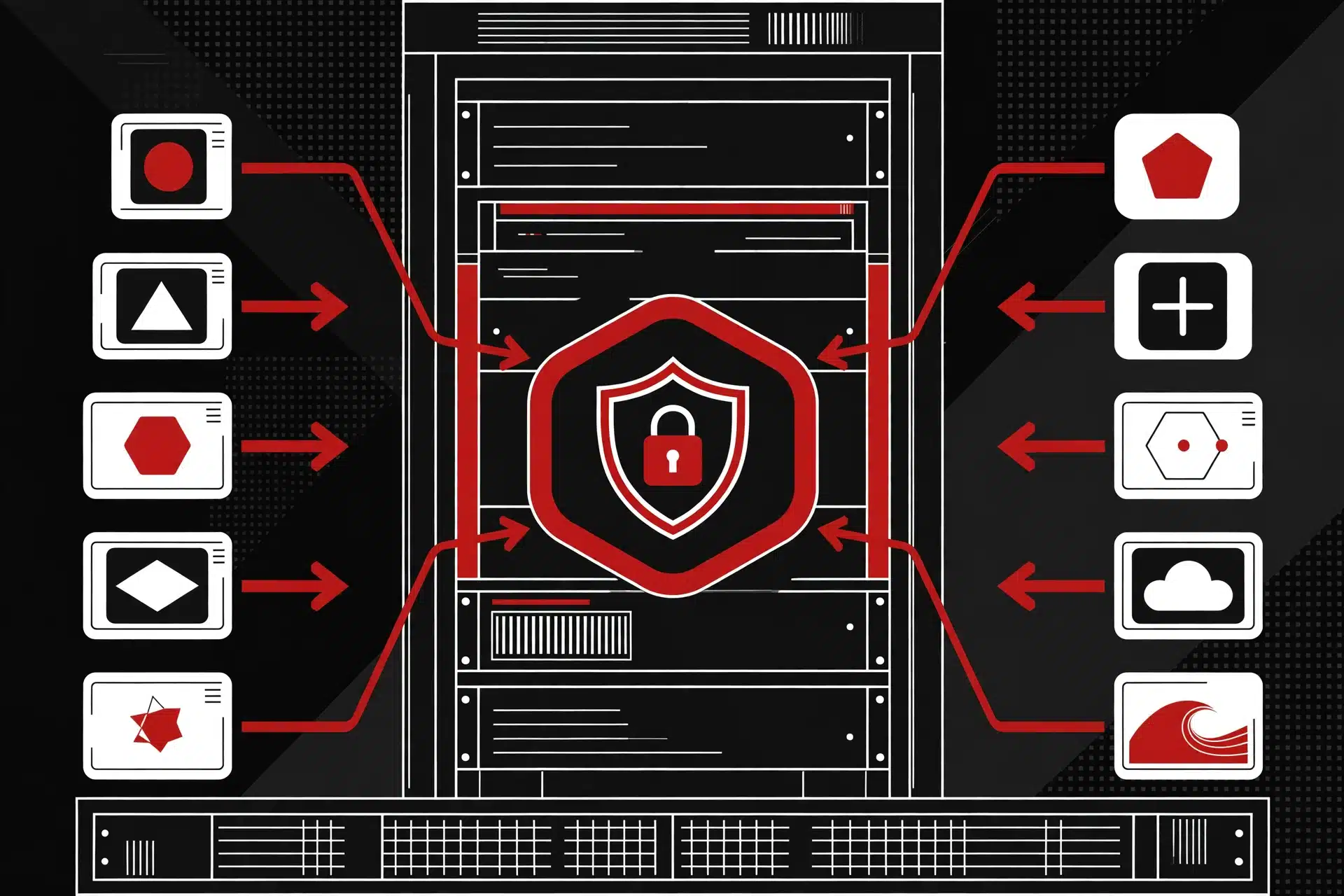
Traefik reverse proxy setup guide with Docker and automatic Let's Encrypt HTTPS

You have one VPS, five apps, and one port 443. The first app gets the port, the second one gets a README full of excuses, and by the third you are editing Nginx server blocks by hand and running certbot in a cron job you half remember writing. A Traefik reverse proxy ends that routine: … Read more
Cloudflare Tunnel: Expose Your Local App Without Opening a Port (2026)

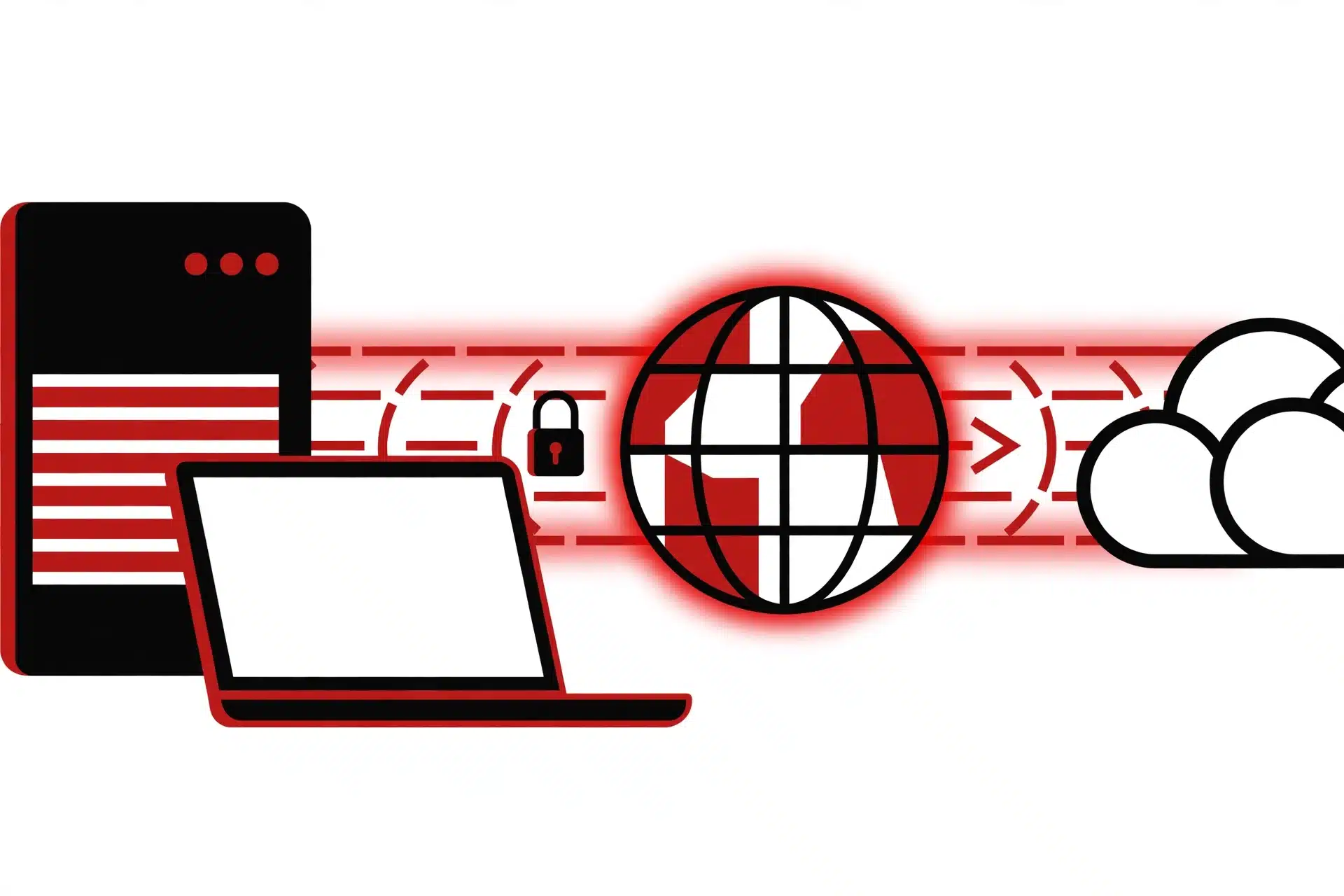
Cloudflare Tunnel setup guide — expose a local app without opening a port

Cloudflare Tunnel: Expose Your Local App Without Opening a Port (2026) You have an app running on a machine you own — a Laravel app on a VPS, a photo gallery on a Raspberry Pi, a dev server on your laptop. You want it reachable at app.yourdomain.com, over HTTPS, from anywhere. The traditional way means … Read more

How to Self-Host n8n on a VPS: Docker, Postgres, and HTTPS (2026)

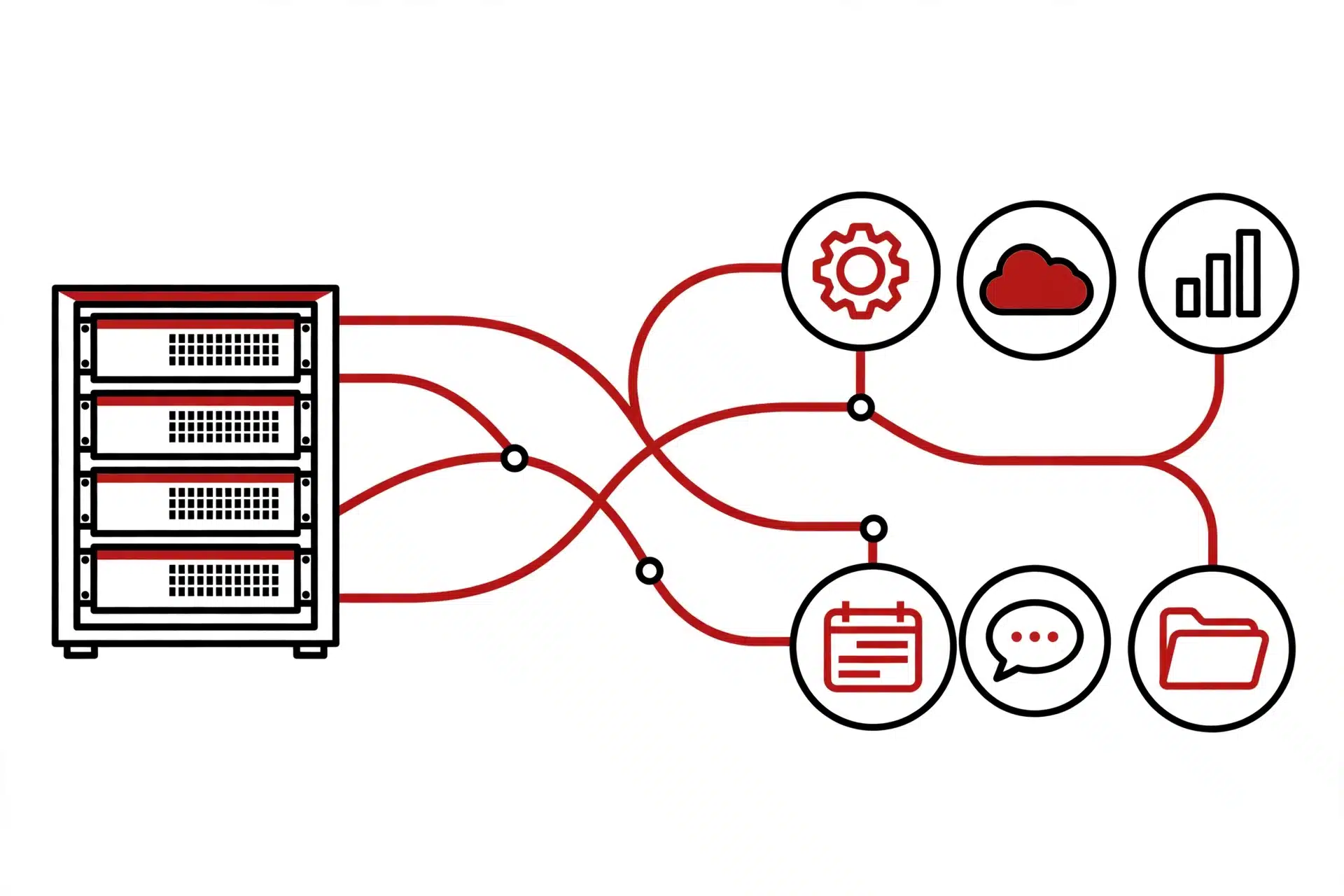
Self host n8n on a VPS with Docker Compose, Postgres, and Caddy

Why self host n8n instead of paying for the cloud? When you self host n8n, you run the same workflow automation tool on your own server instead of renting it from n8n. The trade is simple: n8n Cloud Starter costs €20 a month (billed annually) and caps you at 2,500 workflow executions a month. The … Read more

VPS Disk Full? How to Find What’s Eating Your Space and Free It Safely (2026)

vps disk full — find what's eating your VPS disk space and free it safely

Your deploys are failing, MySQL has stopped accepting writes, and the error staring back at you is No space left on device. A vps disk full incident feels like a catastrophe, but it is usually a ten-minute fix once you know where to look. This guide walks you through the exact order to diagnose it, … Read more

How to Set Up WireGuard on Your VPS: Your Own Private VPN in 15 Minutes (2026)

WireGuard VPS setup — server connected to laptop and phone through an encrypted VPN tunnel

A commercial VPN costs $5–12 a month, caps how many devices you can connect, and asks you to trust a company you have never met with all of your traffic. If you already rent a VPS, you can skip all of that. This WireGuard VPS setup turns a cheap server into your own private VPN … Read more

systemd Timers: Replace Cron Jobs the Right Way (2026)

systemd timers replacing cron jobs on a Linux VPS

Cron has scheduled jobs on Linux for decades, and for a one-line job it is still hard to beat. But the moment a job matters — a nightly backup, a cleanup script, a report your team actually reads — cron’s silence becomes a problem. You find out a job failed when something downstream breaks, not … Read more

Coolify Setup: Self-Host Your Apps on a VPS (2026 Guide)

A Coolify setup takes one command, one dashboard login, and about ten minutes — and at the end of it you have your own private Heroku running on a VPS you already pay for. No per-app pricing, no usage meter ticking up while you sleep, no vendor deciding your hobby project is too expensive to … Read more

How to Set Up WordPress Redis Cache: Faster Dynamic Pages (2026)

If your WordPress site feels slow for logged-in users even though you already have page caching, the bottleneck is probably not the page — it is the database. Every dynamic request rebuilds the same options, post meta, and user data from MySQL, over and over. A WordPress Redis cache fixes exactly that: it stores those … Read more

SSH Hardening: How to Lock Down Your VPS in 7 Steps (2026)

SSH hardening: locked-down server with key and shield illustration

Every server with a public IP address is being probed on port 22 right now. Automated botnets try common usernames and passwords against SSH daemons around the clock — thousands of attempts a day against a completely fresh VPS. The good news: SSH hardening is one of the highest-return security tasks in all of system … Read more

Let’s Encrypt 64-Day Certificates: What to Check on Your Server Before February 2027

Flat vector illustration of letsencrypt 64 day certificates renewal cycle on a server

On February 10, 2027, letsencrypt 64 day certificates become the default for every certificate Let’s Encrypt issues or renews. It is the first time in the CA’s history that the default lifetime has changed — the 90-day standard has stood since Let’s Encrypt launched a decade ago. If your server still renews on a 90-day … Read more