Welcome to HowToShipIt — practical how-to guides for developers: code, AI tools, and servers, explained step by step.

Traefik Reverse Proxy: Automatic HTTPS for Every Docker Container (2026)

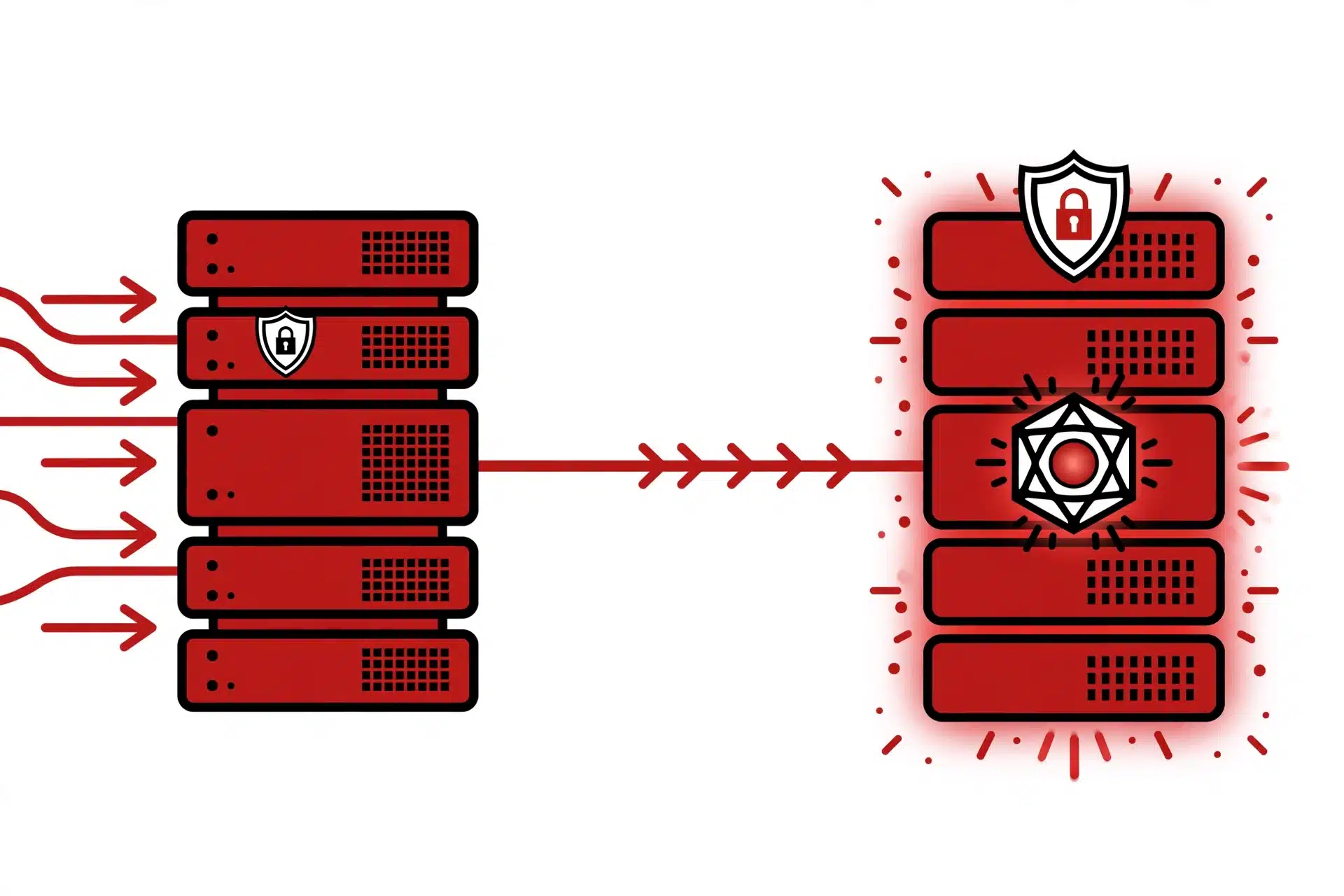
Traefik reverse proxy setup guide with Docker and automatic Let's Encrypt HTTPS

You have one VPS, five apps, and one port 443. The first app gets the port, the second one gets a README full of excuses, and by the third you are editing Nginx server blocks by hand and running certbot in a cron job you half remember writing. A Traefik reverse proxy ends that routine: … Read more
Caddy Reverse Proxy Setup: Automatic HTTPS on Your VPS (2026)

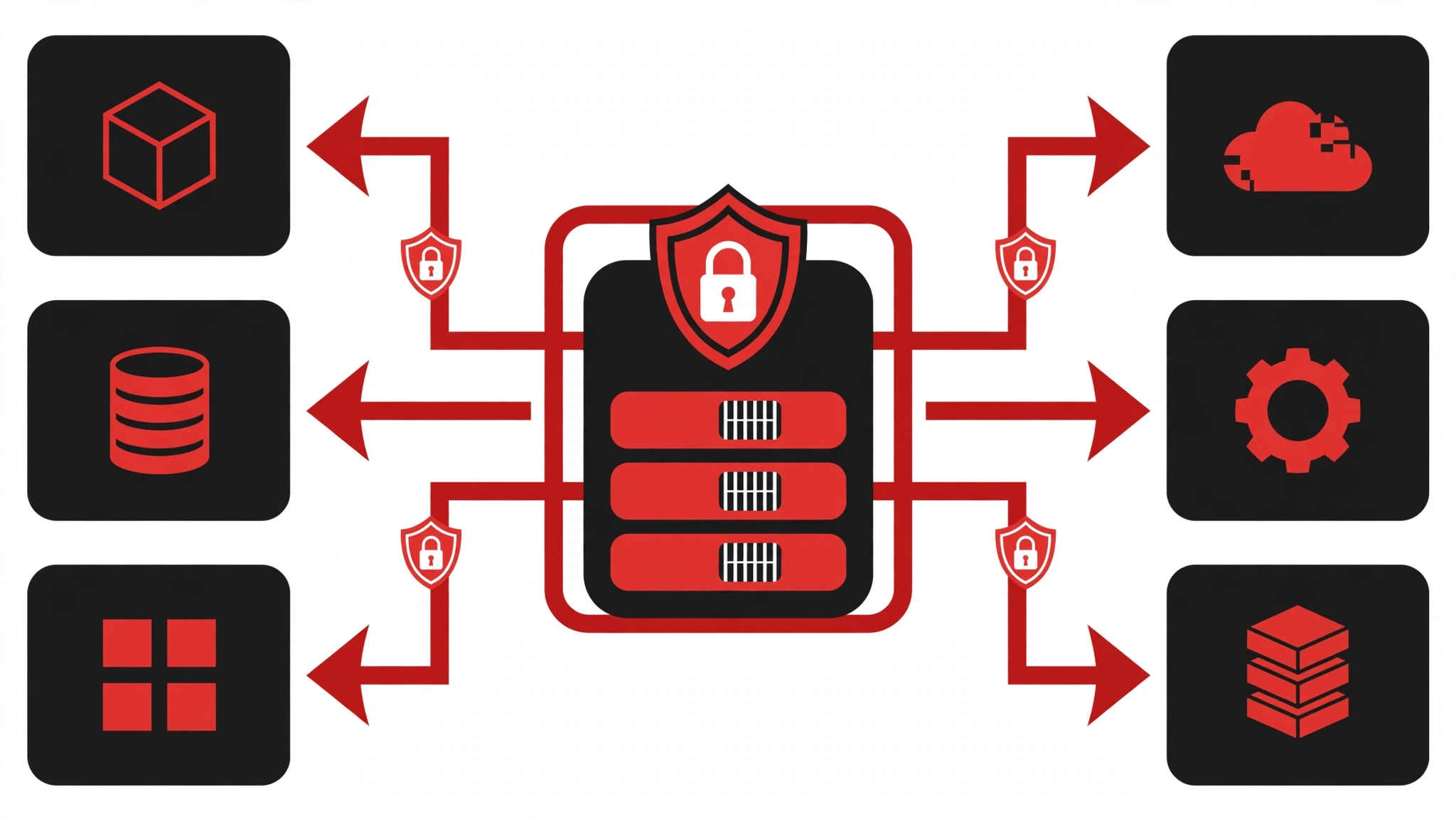
Caddy reverse proxy setup guide: automatic HTTPS on a VPS

Setting up a caddy reverse proxy on a VPS is the fastest way to get your apps onto the internet with proper HTTPS. No Certbot timers to babysit, no 40-line Nginx server blocks, no certificate expiry pages at 3am. You install Caddy, write a three-line config, and it fetches and renews your certificates automatically. This … Read more

The Nginx Sticky Directive Is Free Now: How to Set Up Sticky Sessions (2026)

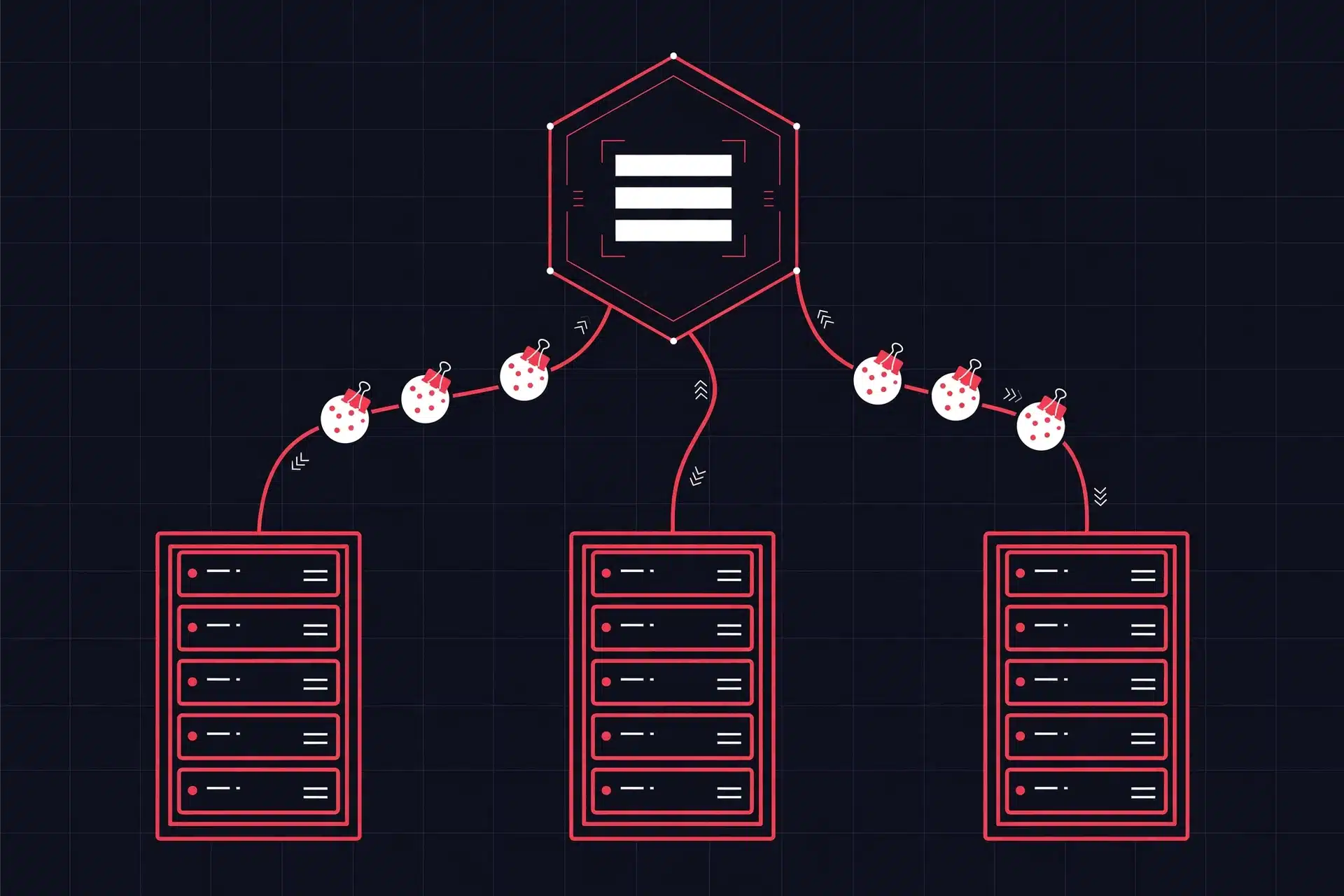
Nginx sticky directive: cookie-based session affinity keeping clients on the same backend server

Session affinity used to cost money. Not any more. For years, the nginx sticky directive sat behind a paywall. If you wanted cookie-based session affinity — requests from one client consistently landing on the same backend server — you either paid for NGINX Plus or compiled a third-party module from source. Then, on 10 March … Read more

How to Fix 502 Bad Gateway on Nginx: A Log-First Debugging Guide (2026)

Illustration of a server with a broken connection: 502 bad gateway nginx error

Your site was fine ten minutes ago. Now every page returns 502 Bad Gateway and your heart rate is doing the same thing as your error log. Take a breath: a 502 Bad Gateway on Nginx is one of the most debuggable errors in all of server land, because the error message is telling you … Read more

How to Set Up an Nginx Reverse Proxy for Node.js Apps

Nginx reverse proxy for Node.js apps diagram

An Nginx reverse proxy for Node.js is the standard way to put a production Node app on the internet. Your Node app listens on a private port like 3000, and Nginx faces the world on ports 80 and 443, forwarding traffic inward. This setup gives you free SSL termination, fast static file serving, working WebSockets, … Read more