Welcome to HowToShipIt — practical how-to guides for developers: code, AI tools, and servers, explained step by step.

How to Fix the WordPress 404 Error: 7 Causes and Fixes (2026)

How to fix the WordPress 404 error — permalinks, .htaccess and nginx fixes

A WordPress 404 error on a post you know exists is one of the most confusing errors in WordPress. The content is right there in your dashboard, the link worked yesterday, and yet visitors get a “Page not found” screen. The good news: in most cases the content is fine and the fix takes under … Read more


WordPress Multisite Setup: Run Many Sites from One Install (2026)

WordPress multisite setup guide — one WordPress installation running many sites

If you run three WordPress sites and you are tired of updating the same plugin in three dashboards, logging in three times, and keeping three sets of themes in sync, WordPress multisite setup is the feature you have been ignoring. Multisite turns one WordPress installation into a network of sites: one codebase, one set of … Read more

Fail2ban for WordPress: Stop Brute-Force Logins at the Server (2026)

Fail2ban WordPress setup blocking brute-force login attempts at the server firewall

If you run a self-hosted WordPress site, a fail2ban WordPress setup is the cheapest security upgrade you will ever install. Every public WordPress site gets a steady stream of password-guessing requests against wp-login.php and xmlrpc.php — and every one of those requests is an uncached PHP request that occupies a PHP-FPM worker, fills your logs, … Read more

How to Set Up Fail2ban on Ubuntu: SSH, Nginx, and WordPress Protection (2026)

Learning how to set up Fail2ban is the fastest way to stop the background noise every public VPS attracts. Within minutes of opening SSH to the internet, bots start trying common usernames and passwords, and if you run a website, the same bots hammer your login pages too. Fail2ban watches your logs, counts repeated failures, … Read more

NGINX 1.30.6 Security Update: Patch the 5 Flaws That Can Reach Your Server (2026)

nginx 1.30.6 security update

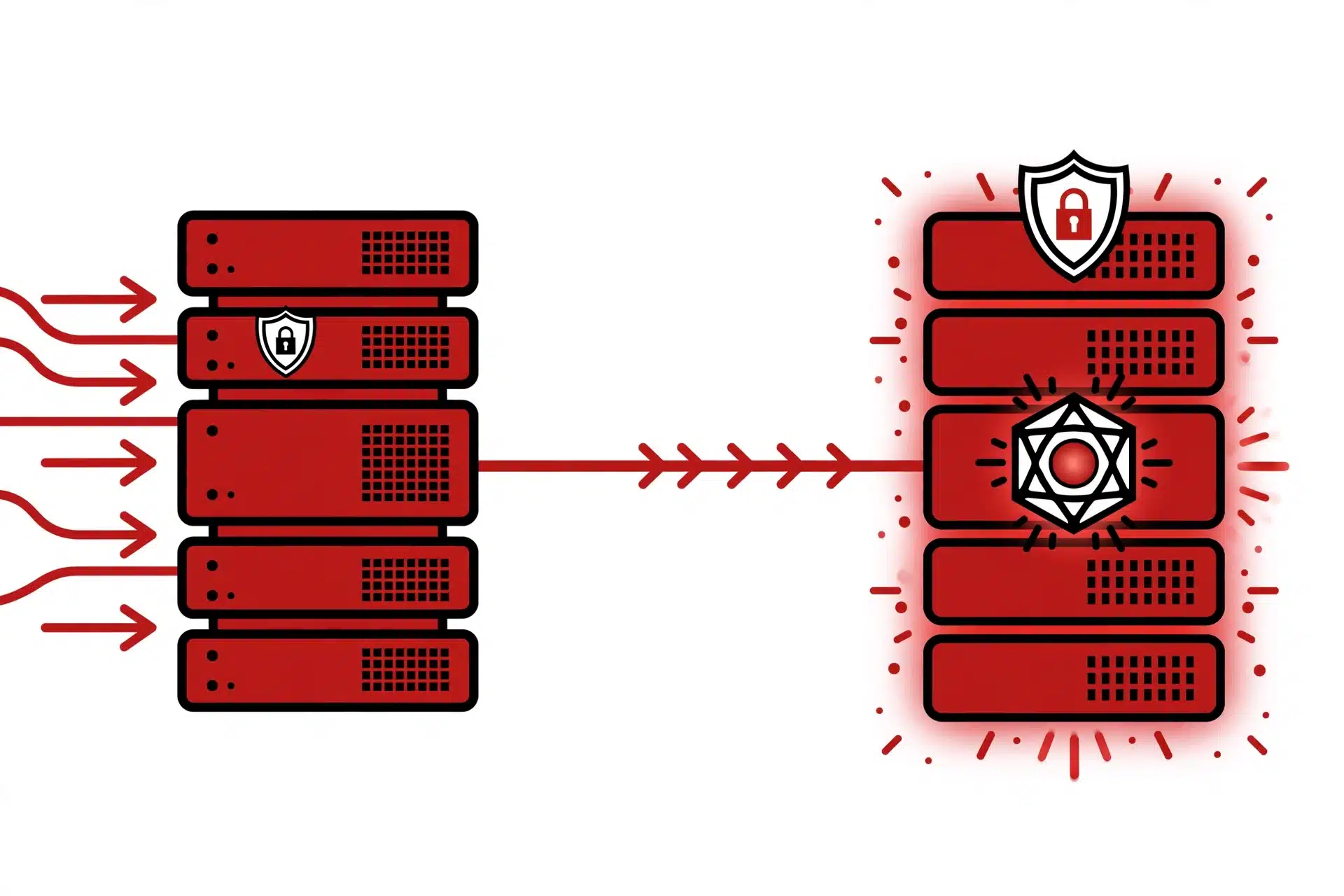
On October 14, 2026, NGINX shipped security releases 1.30.6 (stable) and 1.31.7 (mainline) fixing five vulnerabilities — NGINX’s eighth security release of the year. Three of them are memory-safety bugs that F5 scores 9.2 Critical (CVSS v4.0); NGINX itself labels all five “medium”. If you run NGINX on a VPS, you need to know which … Read more

The Nginx Sticky Directive Is Free Now: How to Set Up Sticky Sessions (2026)

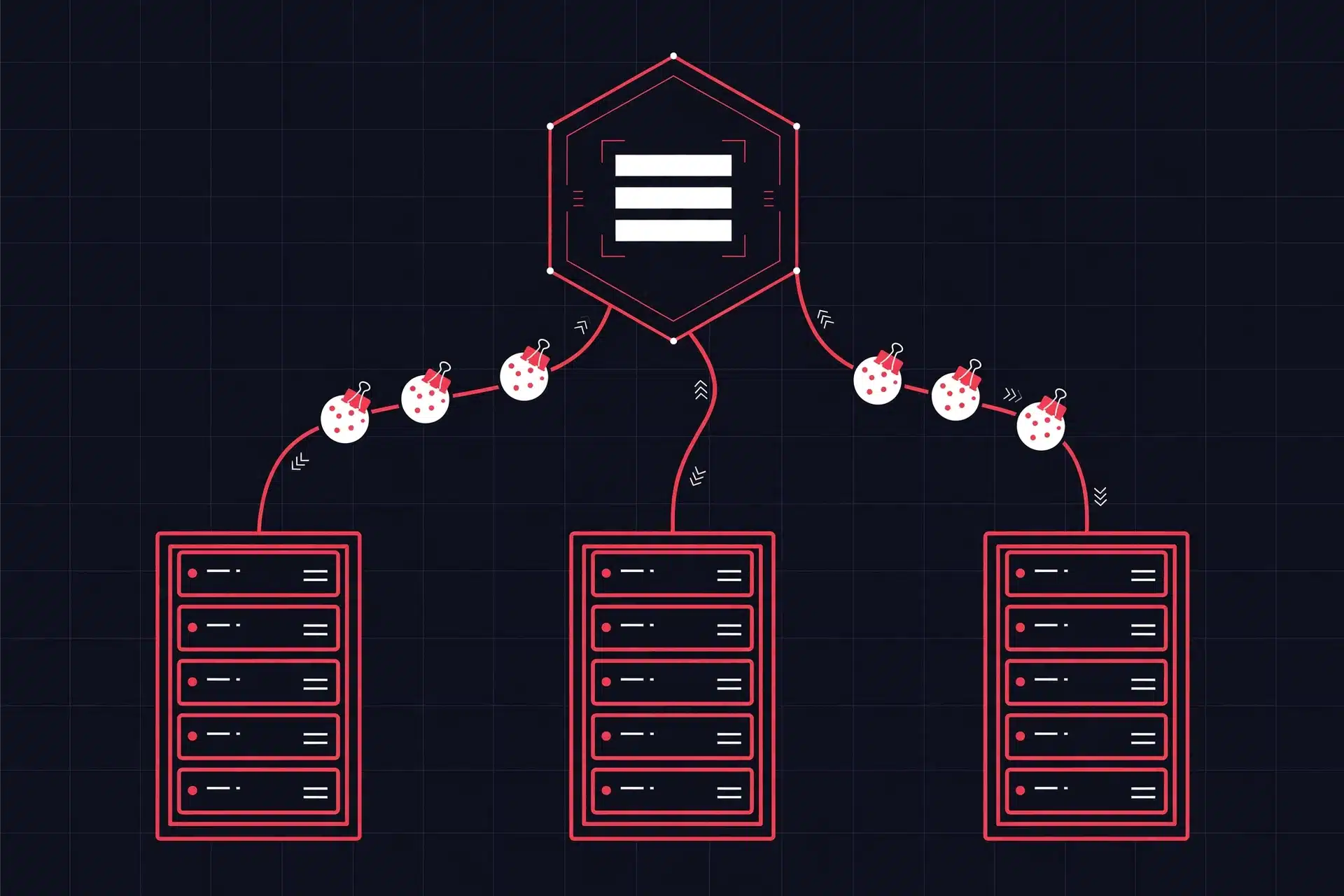
Nginx sticky directive: cookie-based session affinity keeping clients on the same backend server

Session affinity used to cost money. Not any more. For years, the nginx sticky directive sat behind a paywall. If you wanted cookie-based session affinity — requests from one client consistently landing on the same backend server — you either paid for NGINX Plus or compiled a third-party module from source. Then, on 10 March … Read more

How to Fix 502 Bad Gateway on Nginx: A Log-First Debugging Guide (2026)

Illustration of a server with a broken connection: 502 bad gateway nginx error

Your site was fine ten minutes ago. Now every page returns 502 Bad Gateway and your heart rate is doing the same thing as your error log. Take a breath: a 502 Bad Gateway on Nginx is one of the most debuggable errors in all of server land, because the error message is telling you … Read more

How to Deploy a Laravel App with Docker: Step-by-Step Guide (2026)

Step-by-step guide to deploying a Laravel app with Docker

Most tutorials that teach you how to deploy Laravel with Docker are frozen in 2023: they still use the old docker-compose v1 syntax, pin PHP 8.2, and show a dev-only setup with bind-mounted code that would never survive production. In this guide you will build a production-ready Docker setup for a real Laravel app from … Read more

How to Set Up an Nginx Reverse Proxy for Node.js Apps

Nginx reverse proxy for Node.js apps diagram

An Nginx reverse proxy for Node.js is the standard way to put a production Node app on the internet. Your Node app listens on a private port like 3000, and Nginx faces the world on ports 80 and 443, forwarding traffic inward. This setup gives you free SSL termination, fast static file serving, working WebSockets, … Read more

How to Set Up a VPS From Scratch: Ubuntu, Nginx, and SSL

How to set up a VPS with Ubuntu, Nginx and SSL

Introduction: How to Set Up a VPS with Ubuntu, Nginx and SSL This guide walks you through how to set up a VPS with Ubuntu, Nginx, and SSL — from an empty virtual server to a live, HTTPS-secured website. By the end, your server will be hardened with SSH keys and a firewall, serving your … Read more